If you are considering dental implants, one of the first questions that probably comes to mind is:
“Do Dental Implants Hurt?”
For many patients looking for dental implants in Tucson, Glendale, and surrounding Arizona communities, fear of pain is one of the biggest reasons they delay treatment.
The thought of having a dental implant placed into the jawbone can sound intimidating. However, modern implant dentistry has made the process much more comfortable and predictable than many people expect.
The reality is that dental implants are a surgical procedure, so some temporary discomfort is normal. However, most patients experience manageable soreness rather than severe pain. With proper anesthesia, careful treatment planning, and appropriate aftercare, the implant process is often easier than patients imagine.
At Simply Smiles Dentist, our goal is to help patients feel informed and comfortable at every stage of treatment. We explain what you can expect before, during, and after your procedure so you can make decisions with confidence.
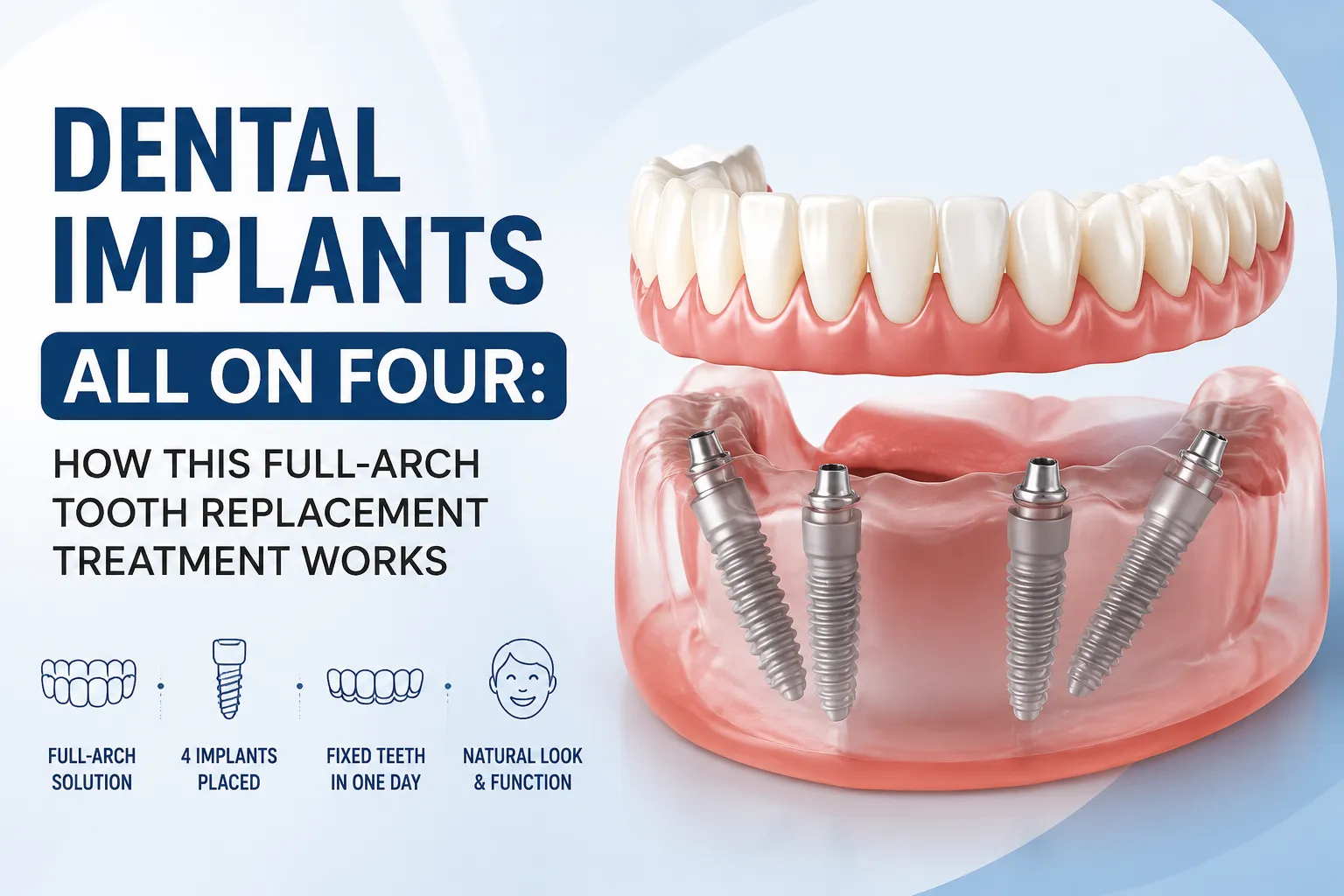
Dental implants replace missing tooth roots with small titanium posts that support replacement teeth. The implant gradually bonds with the jawbone through a process called osseointegration, creating a stable foundation for a natural-looking restoration. (Source Link)
Do Dental Implants Hurt During the Procedure?
The short answer:
Most patients do not feel pain during dental implant placement.
Before surgery begins, your dentist will numb the treatment area using local anesthesia. This blocks pain signals and keeps you comfortable throughout the procedure.
Depending on your needs and level of anxiety, sedation options may also be available to help you feel relaxed. Mayo Clinic explains that anesthesia options for implant surgery may include local anesthesia, sedation, or other approaches depending on the patient and procedure.
During implant placement, patients commonly describe sensations such as:
- Pressure around the treatment area
- Gentle pushing sensations
- Vibrations from dental instruments
- Movement while the implant is positioned
These sensations are different from sharp pain.
Many patients who expect a difficult experience are surprised that the procedure itself is much more comfortable than they imagined.
Why Modern Dental Implant Treatment Is More Comfortable

Dental implant treatment has advanced significantly over the years. Today, dentists use technology and techniques that help improve accuracy, efficiency, and patient comfort.
Detailed Treatment Planning
Before placing an implant, your dentist evaluates:
- Jawbone condition
- Gum health
- Tooth position
- Bite alignment
- Overall oral health
This planning helps determine the safest and most predictable approach for your situation.
Digital Imaging and Precise Placement
Modern imaging technology allows dentists to understand your anatomy before surgery. This helps guide implant positioning and reduces unnecessary adjustments during treatment.
Personalized Comfort Options
Every patient has different comfort needs. Some patients feel completely relaxed with local anesthesia, while others may benefit from additional anxiety-management options.
At Simply Smiles Dentist, we discuss your concerns beforehand and create a treatment approach based on your comfort level and dental goals.
What Does Dental Implant Pain Feel Like After Surgery?
While implant placement itself is performed under anesthesia, some discomfort after surgery is expected.
Once the numbness wears off, you may notice:
- Mild soreness around the implant area
- Gum tenderness
- Facial swelling
- Jaw stiffness
- Minor bruising
- Sensitivity while chewing
This temporary discomfort is commonly described as dental implant soreness.
Many patients describe tooth implant pain as similar to the soreness experienced after a tooth extraction or another minor oral surgery.
The level of discomfort depends on several factors, including:
- Number of implants placed
- Location of the implant
- Whether bone grafting is needed
- Individual healing response
- Following post-operative instructions
Mayo Clinic notes that after implant surgery, patients may experience symptoms such as swelling, bruising, pain at the implant site, and minor bleeding during recovery. (Source Link)
How Much Dental Implant Pain Is Normal?

A common concern is knowing what level of discomfort is expected and what may require attention.
Most patients experience the most soreness during the first few days after surgery.
Dental Implant Recovery Timeline
First 24 Hours
During the first day, you may experience:
- Mild bleeding
- Swelling beginning around the surgical area
- Tenderness after anesthesia wears off
Your dentist will provide specific instructions about medication, eating, and oral care.
Days 2–3
This is often when swelling and soreness are most noticeable.
You may experience:
- Pressure around the implant
- Gum tenderness
- Mild throbbing sensations
These symptoms are usually part of the normal healing response.
Days 4–7
Most patients notice improvement during this stage.
Swelling decreases, soreness becomes easier to manage, and many people return to normal daily activities depending on their comfort level.
Following Weeks and Months
The gum tissue continues healing, while the implant gradually integrates with the jawbone.
The bone-healing process can take several months, but patients typically do not feel the implant connecting with the bone. (Source Link)
What Is the Worst Part of Dental Implant Treatment?
When patients ask about the worst part of dental implant treatment, they often expect the surgery itself to be the most difficult part.
For many people, the bigger challenges are actually:
Adjusting During Recovery
You may need to temporarily modify your routine while your mouth heals.
This can include:
- Eating softer foods
- Avoiding pressure on the implant area
- Taking extra care while cleaning your mouth
Waiting for Complete Healing
Unlike some dental procedures that are completed quickly, implants require patience because the implant needs time to integrate with your jawbone.
The healing period is important because the bone provides the stable foundation needed for long-term implant success. (Source Link)
Managing Anxiety Before Treatment
For many patients, fear before the procedure is more stressful than the actual experience.
Knowing what will happen at every step can make the process much easier.
How to Relieve Pain From Dental Implants
Although some discomfort after implant surgery is expected, most patients can manage it effectively by following proper aftercare instructions.
The goal of recovery is not only to control dental implant pain but also to protect the implant site while your gums and jawbone heal.
At Simply Smiles Dentist, patients receive personalized guidance based on their procedure, whether they need a single implant, multiple implants, or additional treatment such as bone grafting.
Here are some proven ways to make your recovery more comfortable:
1. Follow Your Dentist’s Pain Management Instructions
Your dentist may recommend medications to help control discomfort during the early healing period.
Many patients experience the most soreness during the first few days after surgery. Taking medication as directed can help prevent discomfort from becoming difficult to manage.
Always follow your dentist’s instructions, especially if you have:
- Existing medical conditions
- Medication allergies
- Other prescription medications
Your dentist will recommend the safest option based on your individual health needs.
2. Use Cold Compresses to Reduce Swelling
Swelling is a normal part of healing after dental implant surgery.
Applying a cold compress to the outside of your cheek during the first 24–48 hours may help reduce inflammation and improve comfort.
Helpful tips:
- Apply the ice pack for short periods
- Allow breaks between applications
- Avoid placing ice directly on your skin
Reducing swelling early can make recovery more comfortable.
3. Eat Soft Foods During Early Healing
One of the simplest ways to protect your implant area is by avoiding unnecessary pressure while your tissues recover.
For the first few days, choose softer foods such as:
- Yogurt
- Smoothies
- Scrambled eggs
- Mashed potatoes
- Soft pasta
- Soups that are not extremely hot
Avoid:
- Hard foods
- Crunchy snacks
- Sticky foods
- Chewing directly over the implant area
Your dentist will let you know when you can gradually return to your normal diet.
4. Keep Your Mouth Clean
Good oral hygiene is important after implant surgery because a clean environment supports healthy healing.
Your dentist may provide instructions about:
- Brushing around the treatment area
- Rinsing
- Cleaning nearby teeth
- Caring for stitches if applicable
Avoid aggressive brushing or disturbing the surgical area while it heals.
5. Rest and Give Your Body Time to Recover
Your body needs energy to repair tissues after surgery.
During the first few days:
- Avoid strenuous exercise
- Get adequate sleep
- Drink enough water
- Follow your dentist’s recovery instructions
A comfortable recovery depends not only on the procedure itself but also on how well you care for the implant afterward.
How to Heal Faster After Dental Implants

Patients often ask:
“How can I heal faster after dental implants?”
While healing cannot be rushed, certain habits can help your body recover efficiently and support long-term implant success.
Avoid Smoking and Tobacco
Smoking can interfere with healing because it affects blood flow and the body’s ability to repair tissues.
Patients who smoke should discuss this with their dentist before implant treatment because tobacco use may increase the risk of healing complications. (Source Link)
Maintain a Healthy Diet
Your body requires proper nutrition to rebuild tissue and support bone healing.
A balanced diet containing adequate:
- Protein
- Vitamins
- Minerals
- Fluids
can support your recovery.
Attend Follow-Up Appointments
Dental implant treatment involves several stages.
Follow-up appointments allow your dentist to:
- Monitor healing
- Check implant stability
- Evaluate gum health
- Address concerns early
Dental implants require time because the jawbone must heal tightly around the implant before the final restoration is completed. This process can take several months. (Source Link)
Why Do Some Patients Experience Throbbing Pain After Bone Graft?
Some patients require a bone graft before receiving dental implants.
A bone graft may be recommended when the jawbone does not have enough thickness or strength to support an implant properly. The graft helps create a stronger foundation for implant placement. (Source Link)
Because bone grafting involves an additional procedure, some patients experience more noticeable discomfort compared with implant placement alone.
You may notice:
- Increased swelling
- Gum tenderness
- Pressure around the area
- Throbbing pain after bone graft
This discomfort can be part of the normal healing process.
However, pain should gradually improve. Contact your dentist if you experience:
- Increasing pain after several days
- Severe swelling
- Fever
- Pus or unusual discharge
- Persistent bleeding
Bone graft recovery can involve pain and swelling, but worsening symptoms should be evaluated by your dental provider. (Source Link)
Dental Implant Pain Compared With Other Dental Procedures
Patients often ask how dental implant pain compares with other common dental treatments.
The answer depends on the complexity of the procedure and the individual patient, but understanding the differences can help set realistic expectations.
Dental Implants vs Tooth Extraction
A tooth extraction removes a tooth that is no longer healthy or functional, while an implant replaces the missing tooth root after removal.
After both procedures, patients may experience:
- Gum soreness
- Swelling
- Tenderness while eating
A simple extraction may involve less surgical work, but a difficult extraction involving impacted teeth or infection may result in significant discomfort.
Dental implant surgery involves more planning because the implant must be positioned carefully into the jawbone, but modern anesthesia and surgical techniques help keep the procedure comfortable.
Dental Implants vs Root Canal Treatment
Root canal treatment focuses on removing infection from inside a natural tooth.
Patients who need root canals often experience pain before treatment because of inflammation or infection.
Dental implant discomfort usually occurs after surgery during healing, while root canal discomfort is often related to the condition of the tooth before treatment.
Both procedures are designed to relieve dental problems and preserve oral function.
Dental Implants vs Wisdom Tooth Removal
Wisdom tooth removal, especially when teeth are impacted, can sometimes involve significant swelling and jaw soreness.
Compared with wisdom tooth surgery, dental implant recovery varies depending on:
- Number of implants
- Surgical complexity
- Bone graft requirements
Some patients find implant recovery easier than expected because the procedure is carefully planned.
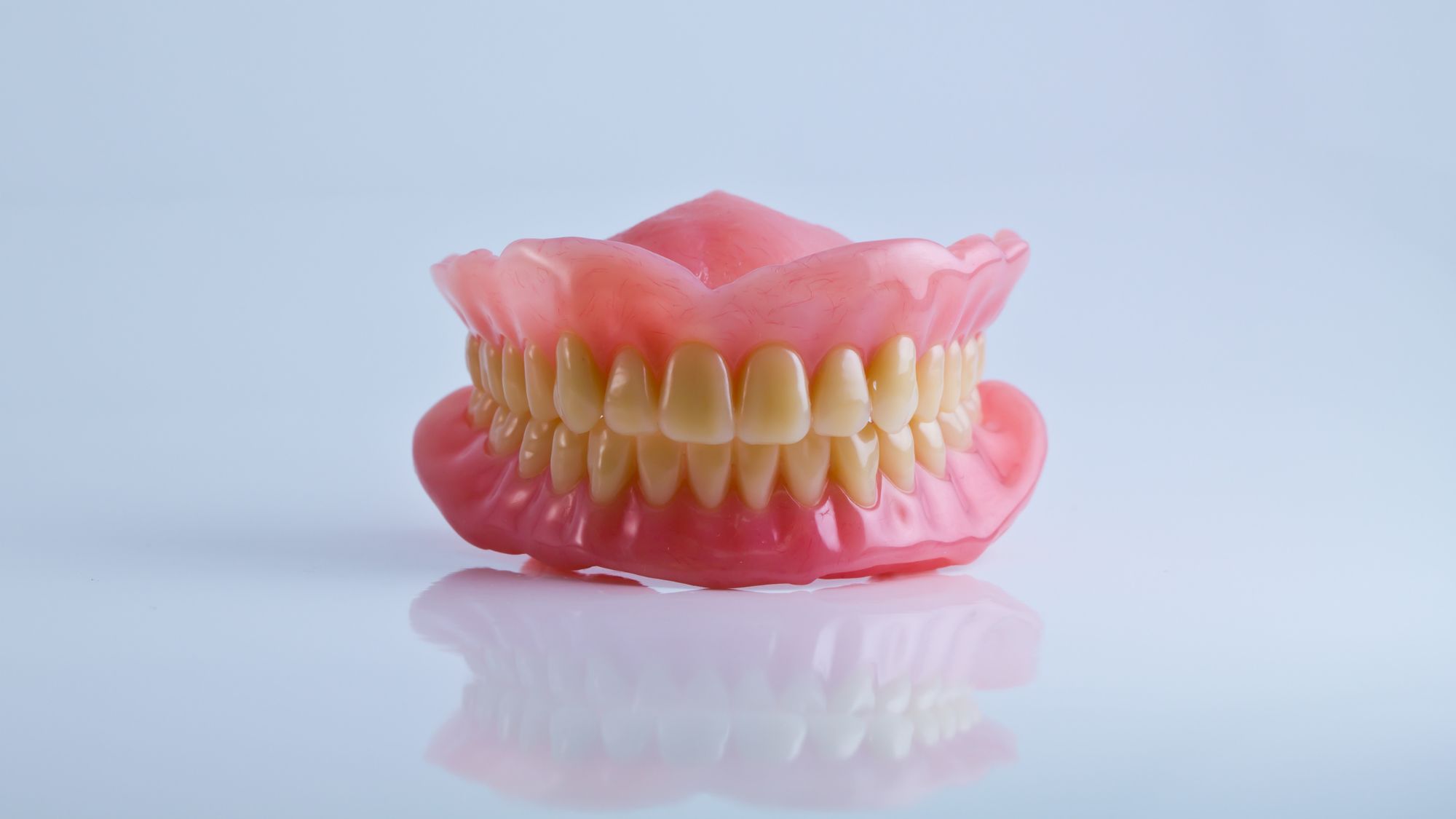
Dental Implants vs Dentures
Dentures do not require implant surgery, but they can involve an adjustment period.
Some denture patients experience:
- Gum irritation
- Pressure spots
- Difficulty adapting to chewing
Dental implants require a healing period, but once fully integrated, they provide a fixed foundation that many patients find more natural and stable.
When Dental Implant Pain Requires a Dentist’s Attention
Some soreness after implant surgery is normal. However, certain symptoms should be checked by your dental provider.
Contact your dentist if you experience:
- Severe pain that does not improve
- Pain that becomes worse after initially improving
- Excessive swelling
- Fever
- Signs of infection
- Heavy bleeding
- Implant looseness
- Persistent numbness
Mayo Clinic advises contacting your dental provider if swelling, soreness, or other problems worsen after implant surgery. (Source Link)
The FDA also recommends notifying your dental provider if an implant feels loose or painful, as these symptoms may require evaluation. (Source Link)
Are Dental Implants Worth the Temporary Discomfort?
For patients considering dental implants, the fear of pain is understandable. However, the temporary discomfort associated with implant treatment is usually only one small part of the overall process.
Dental implants are designed to replace missing teeth by creating a stable foundation for a crown, bridge, or implant-supported restoration. Unlike removable options, implants are placed into the jawbone and gradually integrate with the surrounding bone to provide long-term stability.
For many patients, the benefits of dental implants extend beyond appearance. They can help restore:
- Comfortable chewing
- Natural-looking smiles
- Confidence when speaking and eating
- Support for surrounding oral structures
The recovery period requires patience, but most patients find that the temporary soreness is manageable compared with the long-term benefits of having a secure tooth replacement option.
Why Patients in Tucson, Glendale, and Arizona Choose Simply Smiles Dentist for Dental Implants

Choosing where to receive dental implant treatment is an important decision. Patients need a dental team that focuses not only on placing implants but also on creating a comfortable and predictable experience.
At Simply Smiles Dentist, we understand that many patients delay treatment because they are concerned about discomfort, recovery, or the unknown.
Our approach focuses on:
Comprehensive Implant Planning
Every implant case begins with a detailed evaluation of your oral health, jawbone condition, and treatment goals.
Your dentist will consider factors such as:
- The number of missing teeth
- Bone availability
- Gum health
- Your overall dental needs
This allows your treatment plan to be customized specifically for you.
Patient Education Before Treatment
A confident patient is a more comfortable patient.
Before your procedure, our team explains:
- What happens during implant placement
- What sensations you may experience
- How recovery typically progresses
- How to care for your implant afterward
Understanding the process helps remove uncertainty and allows you to approach treatment with confidence.
Comfort-Focused Implant Care
Whether you are receiving a single dental implant or require additional procedures such as bone grafting, our team focuses on making your experience as comfortable as possible.
If you are searching for dental implants in Tucson, Glendale, or surrounding Arizona communities, Simply Smiles Dentist can help you understand whether implants are the right solution for restoring your smile.
Frequently Asked Questions About Dental Implant Pain
Are dental implants painful?
Most patients do not experience pain during implant placement because the procedure is performed with anesthesia. After surgery, mild soreness, swelling, and tenderness are common during the healing process.
How bad is dental implant pain after surgery?
Most patients describe post-surgery discomfort as mild to moderate soreness rather than severe pain.
The first few days are usually when swelling and tenderness are most noticeable, and symptoms generally improve as healing progresses.
How long does dental implant soreness last?
Dental implant soreness is usually strongest during the first several days after surgery.
Many patients feel significantly better within the first week, although complete healing of the implant with the jawbone continues for several months. (Source Link)
What is the worst part of dental implant treatment?
For many patients, the most difficult part is not the implant placement itself.
The biggest challenges are often:
- Adjusting to a temporary soft-food diet
- Managing swelling during early recovery
- Waiting for the implant to fully integrate with the jawbone
How can I relieve pain from dental implants?
You can improve comfort by:
- Following your dentist’s medication instructions
- Using cold compresses during early recovery
- Eating softer foods temporarily
- Avoiding smoking
- Resting properly
- Following all post-operative instructions
Your dentist can provide personalized recommendations based on your procedure and medical history.
Why do I have throbbing pain after bone graft?
Bone grafting may be needed when the jawbone does not have enough thickness or strength to support an implant. The graft creates a stronger foundation for implant placement.
Because bone grafting involves additional healing, some patients may experience:
- More swelling
- Tenderness
- Pressure
- Temporary throbbing discomfort
Pain that becomes worse instead of improving should always be evaluated by your dentist.
Are dental implants more painful than tooth extraction?
The answer depends on the complexity of each procedure.
A simple tooth extraction may involve less surgical work, while dental implant placement requires preparing the jawbone and placing an implant.
However, difficult extractions, impacted wisdom teeth, or infections can also involve significant discomfort.
Most patients find that dental implant treatment is more comfortable than they expected because modern anesthesia and careful planning help control discomfort.
Can dental implants hurt years later?
A properly healed dental implant should not cause ongoing pain.
If an implant becomes painful, feels loose, or causes unusual symptoms after healing, it should be checked by a dental professional. The FDA recommends informing your dental provider if an implant feels loose or painful. (Source Link)
Final Thoughts: Are Dental Implants Painful?
So, are dental implants painful?
For most patients, the answer is:
Dental implants may cause temporary soreness, but the procedure is usually much more comfortable than people expect.
The implant placement itself is performed with anesthesia, recovery discomfort is generally manageable, and following proper aftercare can help create a smoother healing experience.
The biggest step is overcoming the fear of the unknown.
If you are considering dental implants in Tucson, Glendale, or anywhere in Arizona, the team at Simply Smiles Dentist can help you understand your options, answer your questions about pain, and create a treatment plan designed around your comfort and smile goals.
Schedule a consultation today to learn how dental implants can help restore your smile.
Disclaimer
This article is provided for informational purposes only and should not be considered a substitute for professional dental advice, diagnosis, or treatment. Every patient’s dental needs and healing experience are different. Consult with a qualified dental professional for recommendations based on your individual situation.
Sources:
Mayo Clinic – Dental Implant Surgery: https://www.mayoclinic.org/tests-procedures/dental-implant-surgery/about/pac-20384622
FDA – Dental Implants: What You Should Know: https://www.fda.gov/medical-devices/dental-devices/dental-implants-what-you-should-know
CUH NHS – Bone Grafting for Dental Implants: https://www.cuh.nhs.uk/patient-information/bone-grafting-for-dental-implants/